
The global shift toward electric vehicles (EVs) promises cleaner air and more efficient transportation. Yet despite rapid innovation, widespread adoption of electric cars remains stalled in many parts of the world. Understanding why this transition is slower than expected—and how technologies like AI and advanced analytics can address these challenges—is crucial for policymakers, businesses, and consumers alike.
“As EV adoption continues to grow, many transportation businesses are also implementing advanced Transportation Management System solutions to improve route optimization, fleet coordination, charging infrastructure planning, and operational efficiency.”
Table of Contents
1. Insufficient Charging Infrastructure
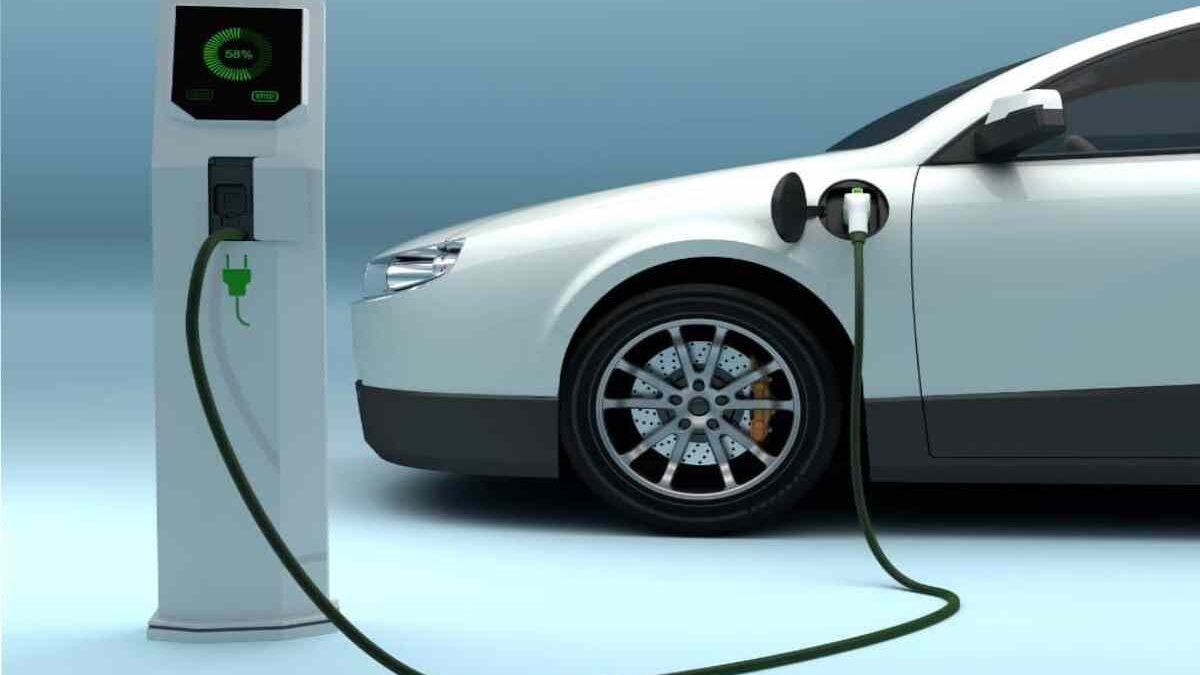
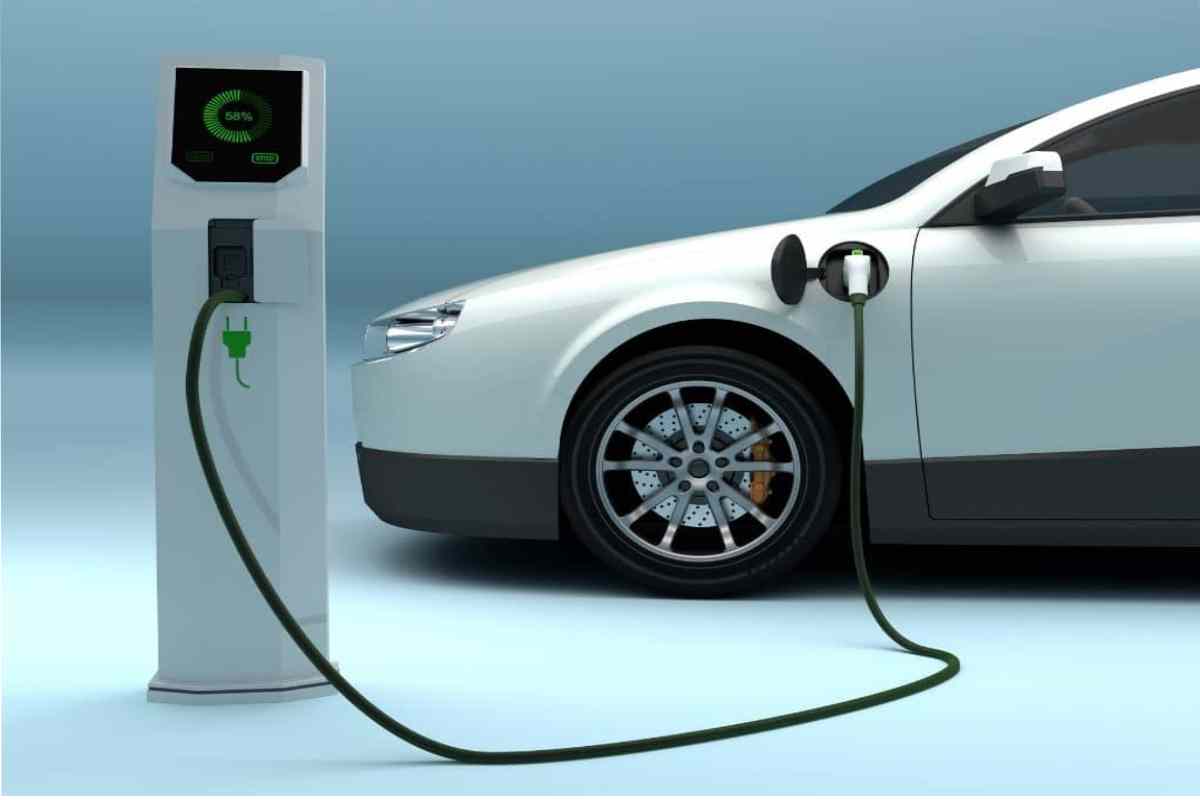
One of the biggest obstacles slowing EV adoption is the lack of reliable and widespread charging networks.
Across many regions—particularly rural areas and developing countries—drivers face “range anxiety,” the fear that they’ll be stranded without access to a charging station. Even where public chargers are growing in number, they often cluster only in urban centers, leaving gaps in the network.
How AI & Emerging Tech Helps:
-
Predictive analytics can map future electrification demand and optimize where charging stations are installed.
-
Smart grids powered by AI can balance charging loads to prevent outages.
-
Machine learning can recommend personalized charging routes to EV owners based on usage patterns—boosting convenience and confidence.
2. High Upfront Costs
Electric vehicles still carry a higher purchase price than many traditional internal combustion engine (ICE) cars, largely due to the cost of batteries and advanced components. This upfront cost can be a barrier in cost-sensitive markets.
How AI & Emerging Tech Helps:
-
AI-driven pricing analytics can help manufacturers and retailers design smarter financing and leasing models.
-
Digital twins of EV production lines can cut manufacturing costs by simulating process improvements before real-world implementation.
3. Battery Technology and Lifecycle Challenges
Battery range, charging times, and longevity remain consumer concerns. While battery technology continues to improve, performance limitations still factor strongly into purchasing decisions.
How AI & Emerging Tech Helps:
-
AI can accelerate battery research by modeling new chemistries and predicting lifespan under different conditions.
-
Real-world battery usage data feeds into analytics platforms that forecast degradation and maintenance needs—helping reduce long-term ownership costs.
4. Policy, Regulation & Incentives
Adoption rates also depend on national and local policy frameworks—from EV incentives to emissions standards. Inconsistent regulation can dampen investor confidence and slow infrastructure development.
-
Scenario forecasting tools enable governments and planners to simulate outcomes of different policy decisions.
-
Data dashboards help track KPIs like adoption rates, infrastructure rollout progress, and emission reductions to guide evidence-based policymaking.
5. Consumer Awareness & Behaviour
Many consumers lack awareness of the true total cost of ownership advantages and sustainability benefits of EVs. Misconceptions about range, charging convenience, and battery safety persist.
How AI & Emerging Tech Helps:
-
Personalized digital assistants can educate buyers based on their usage patterns and likely savings.
-
Sentiment analytics across large datasets can inform targeted communication strategies to shift public perception.
Real-World KPI Snapshot: Where Adoption Stalls
Quantifying these barriers using analytics helps nations and businesses track progress:
| KPI | Trend |
|---|---|
| Public Charging Stations per 100 km | Low in rural regions |
| EV Sales Growth | Slower than predicted in many markets |
| Consumer EV Consideration Rate | Below expected levels in cost-sensitive regions |
| Battery Replacement/Service Cost | A key ownership concern |
By tracking these and other KPIs with advanced dashboards and AI models, stakeholders can prioritize interventions and measure progress over time.
FAQs
Q: Why haven’t EVs replaced gas cars yet?
A: Barriers include infrastructure gaps, high costs, battery limitations, regulatory fragmentation, and consumer behavior—all of which require multi-stakeholder solutions.
Q: Can AI actually make EVs more affordable?
A: Yes—AI reduces costs through smarter manufacturing, pricing strategies, predictive maintenance, and optimized supply chains.
Q: Is EV adoption the same across all regions?
A: No. Adoption rates vary widely based on infrastructure, incentives, income levels, and energy grids.
Conclusion
The transition to electric mobility is more than just swapping engines; it requires strategic integration of AI, analytics, and emerging technologies to address infrastructure, cost, policy, and consumer challenges. By connecting these technologies to core KPIs, industry and government leaders can accelerate EV adoption in a measurable, data-driven way.